
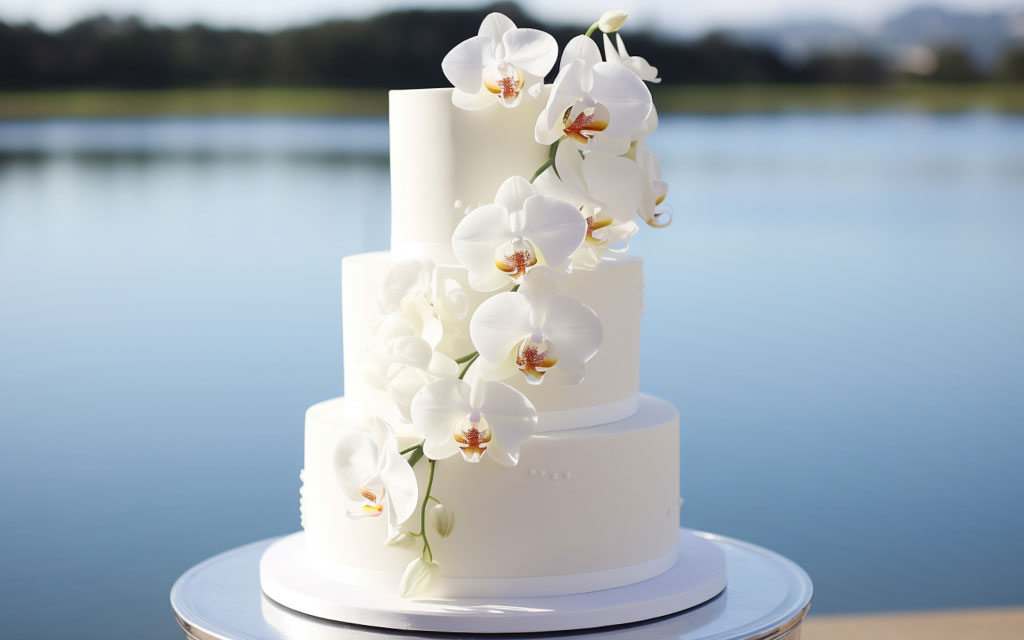
Spring wedding cake: Seasonal flavors and palate-friendly cake ideas
Spring is the ideal time for light, bright flavors perfect for a spring celebration that complement outdoor venues and longer daylight hours. Couples increasingly gravitate toward wedding cakes for spring that taste fresh and complement natural surroundings of garden parties, vineyard terraces, or waterfront celebrations. A classic white cake foundation with delicate hints of vanilla bean or elderflower provides the perfect base for adding vibrant fruit fillings, floral-infused creams, or citrus curds that taste unmistakably spring-like.
Light and fresh flavor profiles perfect for spring
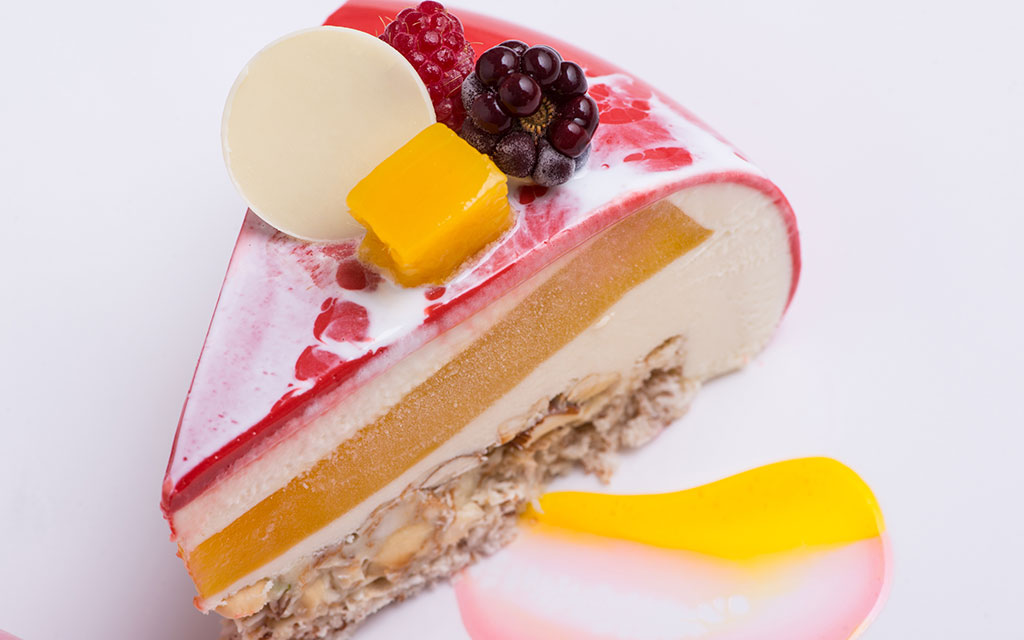
Citrus flavors like Meyer lemon, ruby red grapefruit, or blood orange bring a refreshing quality that cuts through rich buttercream without overwhelming the palate. Berry-forward options featuring grapefruit or strawberry cake with fresh compote, raspberry mousse, or mixed berry preserves add natural sweetness and gorgeous pops of color when sliced. Floral touches like lavender simple syrup, rose water, or elderflower cordial pair beautifully with light vanilla or almond cakes, though these should be used with a gentle hand since floral flavors can quickly become overwhelming.
Some couples also explore spring wedding cake flavors like rhubarb-strawberry filling, champagne buttercream, honey-lavender sponge, or even savory-sweet combinations like olive oil cake with lemon curd. These wedding cake ideas reflect personal taste preferences rather than defaulting to traditional options, and you can’t go wrong with seasonal spring ingredients that embody the spirit of spring through taste and texture. Even timeless options like chocolate cake work for spring when you consider chocolate cake with chocolate ganache or a classic black forest cake with cherry filling that nods to the season’s fresh fruit.

Balancing flavors with frosting and fillings
The key to successful wedding cakes lies in pairing bright cake flavors with light frostings that maintain an airy texture. Swiss meringue buttercream and Italian meringue buttercream both offer silky-smooth finishes with less sugar than American buttercream, making them ideal for couples who want frosting that enhances rather than dominates the cake’s flavor profile. Mascarpone cream cheese frosting provides richness without heaviness, while lemon curd, passion fruit curd, or other fruit curds add tangy brightness between layers.
For couples who choose richer cake bases, balance becomes critical to prevent the dessert from feeling too dense. Whipped ganache offers deep flavor without cloying sweetness, while tempered ganache creates a smooth finish that holds up well in warmer temperatures. A naked wedding cake approach works particularly well for spring celebrations, since the exposed layers and minimal frosting create a rustic, garden-fresh aesthetic while keeping overall sweetness in check.
| Cake Base | Recommended Filling | Suggested Frosting | Best For |
| Vanilla bean | Lemon curd | Swiss meringue buttercream | Classic elegance |
| Almond | Raspberry preserves | Mascarpone cream | Garden weddings |
| Champagne | Strawberry mousse | Champagne buttercream | Modern sophistication |
| Chocolate | Cherry compote | Whipped ganache | Rustic venues |
| Olive oil | Blood orange curd | Italian meringue | Contemporary style |
| Pistachio | Rose water cream | White chocolate ganache | Unique flavor lovers |
Seasonal ingredients and dietary considerations
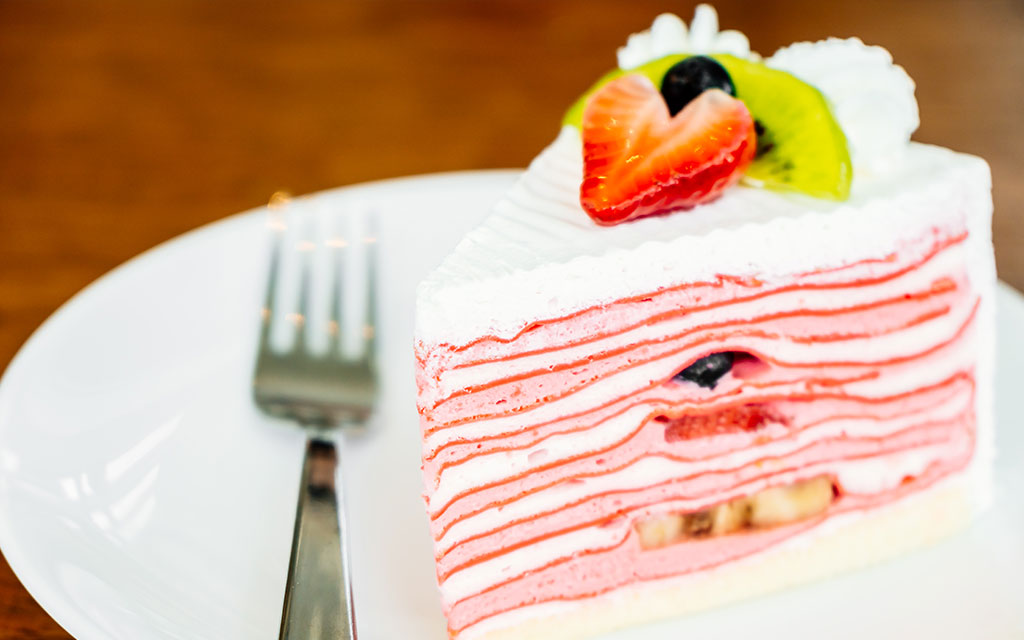
Take full advantage of spring’s produce bounty by incorporating seasonal ingredients like strawberries, rhubarb, fresh mint, basil, or thyme into your cake design. Edible flowers such as pansies, violas, and nasturtiums add stunning visual appeal, while candied citrus peels provide both decoration and concentrated flavor. Many modern bakeries offer gluten-free options that taste indistinguishable from traditional versions, and vegan wedding cakes have evolved dramatically with plant-based buttercreams that rival dairy-based frostings.
When planning your cake order, discuss dietary restrictions with your baker at least three months before the wedding date. Talk to your cake baker specifically about outdoor temperature stability if your reception takes place in a tent, garden, or other non-climate-controlled space, since lighter frostings can become unstable above 75 degrees Fahrenheit. Your baker can recommend heat-stable alternatives to help ensure your spring wedding cake maintains structure and appearance throughout the event, which has a major impact on your wedding day photos and guest experience.
Floral spring wedding cake designs: Fresh flowers, sugar flowers, and painted petals

Cakes with fresh florals or sugar blooms designed for spring weddings often evoke carefully curated garden displays, with couples selecting floral elements that mirror ceremony bouquets and centerpiece arrangements. When it comes to wedding flowers, the cake becomes more than dessert—it transforms into a focal point that bridges the visual gap between ceremony and reception décor. Whether you choose a cake adorned with fresh flowers, delicate hand-painted petals, or incredibly realistic sugar flowers, the floral approach you select significantly impacts both appearance and practical logistics.
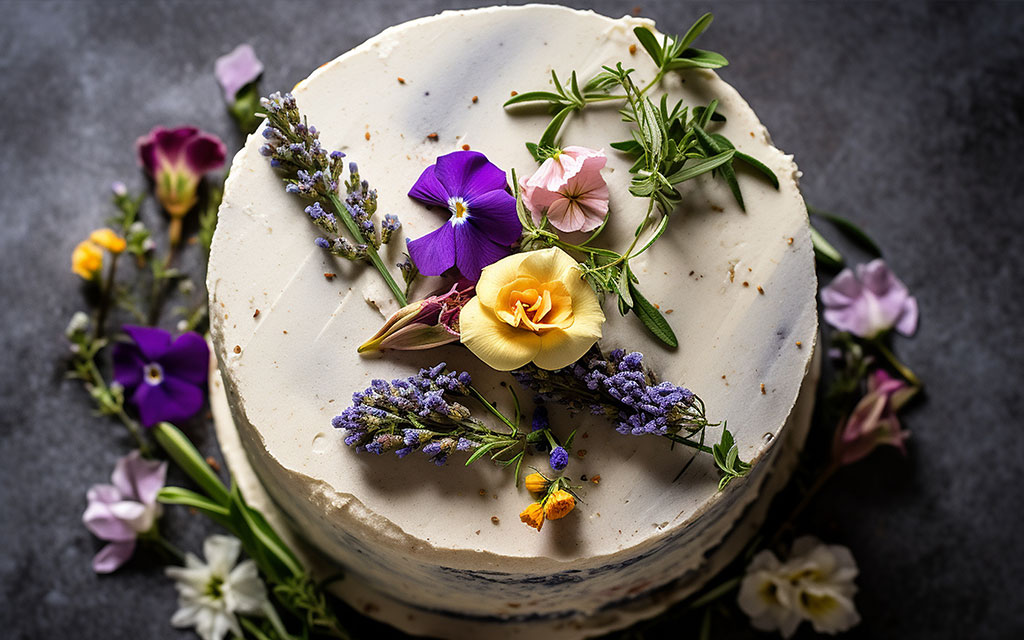
Using fresh flowers on a wedding cake requires careful coordination between your florist and cake artist to ensure all botanical materials are completely food-safe, pesticide-free, and properly prepared. Professional florists use special floral picks or small water tubes to keep stems from directly contacting the cake, preventing chemical contamination. Fresh flowers work best when they echo the color palette of your venue’s existing blooms, and you can’t go wrong with seasonal spring flowers like peonies, ranunculus, sweet peas, and garden roses that are naturally available during spring months.
The timing advantage of fresh flowers can’t be overstated. They’re added shortly before the reception begins, meaning they look crisp and vibrant for cake-cutting photos. However, fresh flowers have limitations: shorter lifespan than sugar alternatives, some varieties are toxic if accidentally ingested, and availability depends on what’s in season. Couples planning spring weddings have a significant advantage since spring naturally offers abundant beautiful blooms perfect for spring celebrations.
Sugar flowers and edible alternatives offer considerably more control over timing, color accuracy, and design complexity. Skilled cake artists can create sugar blooms weeks in advance and achieve flower varieties that might not be in season during your wedding date. These handcrafted sugar flowers look remarkably realistic with individual petals showing subtle color variations, delicate veining, and natural-looking curves. Some cake artists create hybrid designs combining fresh greenery with sugar flowers, offering the best of both approaches while minimizing challenges of keeping delicate fresh blooms perfect throughout receptions.
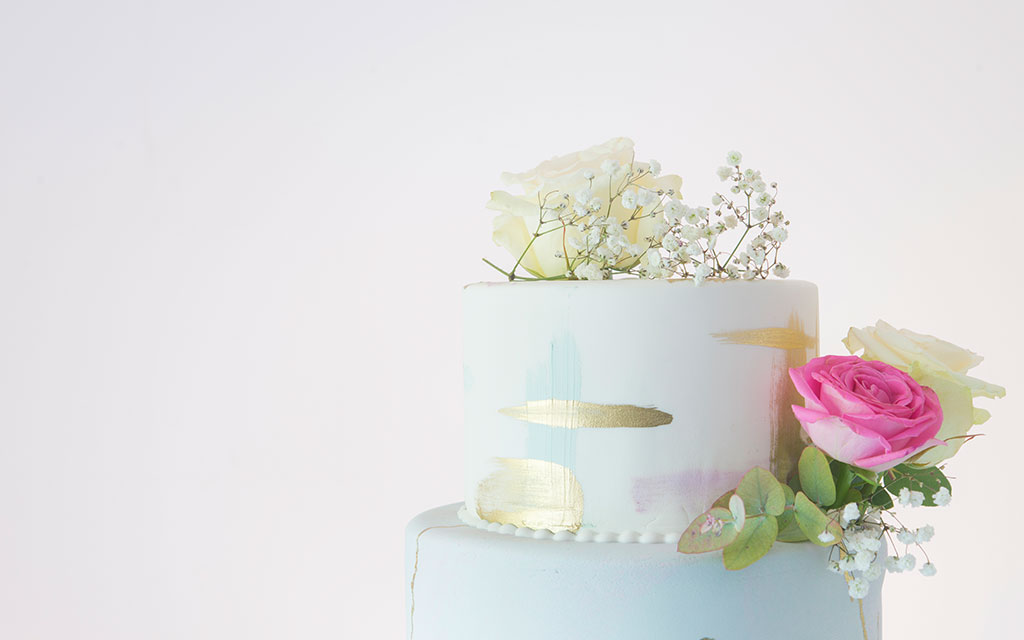
Hand-painted florals and mixed-media decorations add artisanal, one-of-a-kind quality. Painted petals create soft watercolor effects or detailed botanical illustrations that showcase the cake artist’s individual style. Mixing painted areas with dimensional sugar flowers adds depth and visual contrast. This style works particularly well for modern or couture spring wedding cakes where artistic expression matters as much as traditional beauty, and when the wedding cake made a bold artistic statement that guests remember long after the celebration ends.
Modern and minimalist wedding cake ideas for a contemporary spring celebration
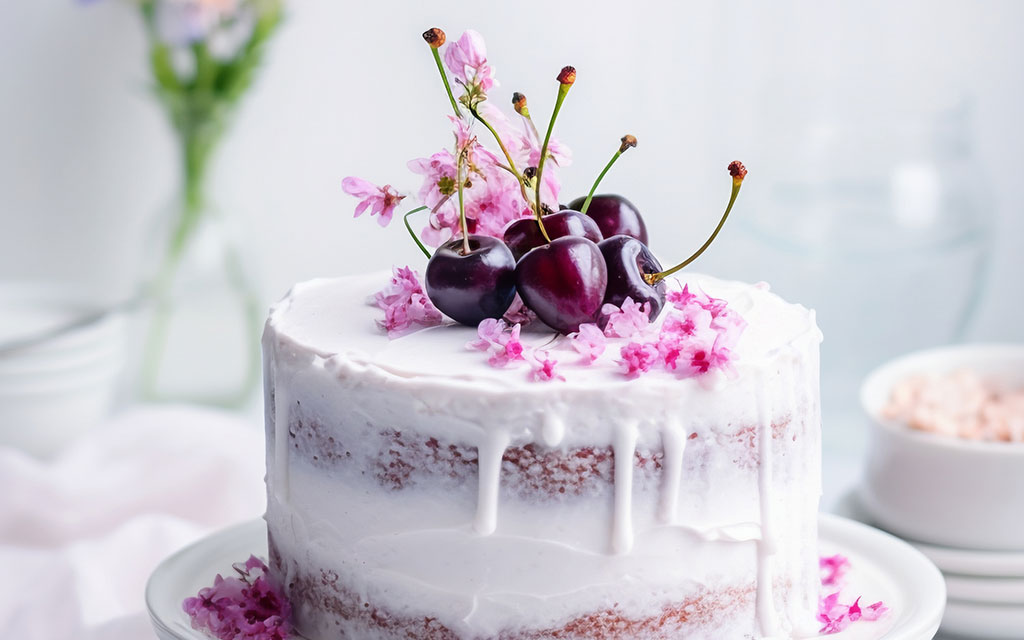
Clean lines and restrained details define modern wedding cake aesthetics, with contemporary designs often featuring a white buttercream cake or monochrome palette in soft spring pastels like blush, sage, or pale lavender. The minimalist approach relies on perfect execution, subtle texture, and carefully chosen accent details to make refined statements that photograph beautifully.
Sleek buttercream and monochrome palettes
Smooth, polished finishes and perfectly applied sleek buttercream create the foundation for any successful minimalist design, with flawless surfaces acting as neutral canvases for selective embellishments. A pristine white wedding cake can hold a single statement sugar bloom, thin metallic brushstroke, or geometric fondant appliqué without overwhelming the table. Semi-naked cake layers or tonal variations within a single hue family add subtle warmth while maintaining minimalist philosophy.
A white buttercream cake base offers versatility for adding simple touches, and committing to one primary color family keeps overall design refined while allowing shape, proportion, and textural elements to become focal points. This approach works especially well for couples whose wedding style emphasizes clean architectural lines and curated restraint throughout all event elements.
Geometric shapes, domes, and bold statements
Geometric wedding cakes use sharp edges, precise angles, and defined color blocks to create striking visual impact through form rather than applied decoration. Hexagonal tiers, triangular fondant panels, or asymmetric stacking create modern silhouettes that feel architectural and intentional. Dome cakes offer softer alternatives with rounded, organic profiles that still read as decidedly modern, especially when executed in solid colors or with abstract design elements.
Sculptural tiers that play with height and proportion transform wedding cakes into genuine design statements. Forward-thinking designers at bakeries like Smith Island Cake Company and Magnolia Bakery demonstrate how shape itself can become the centerpiece, with silhouettes creating visual interest that doesn’t rely on heavy decoration.
Textural details and unexpected materials
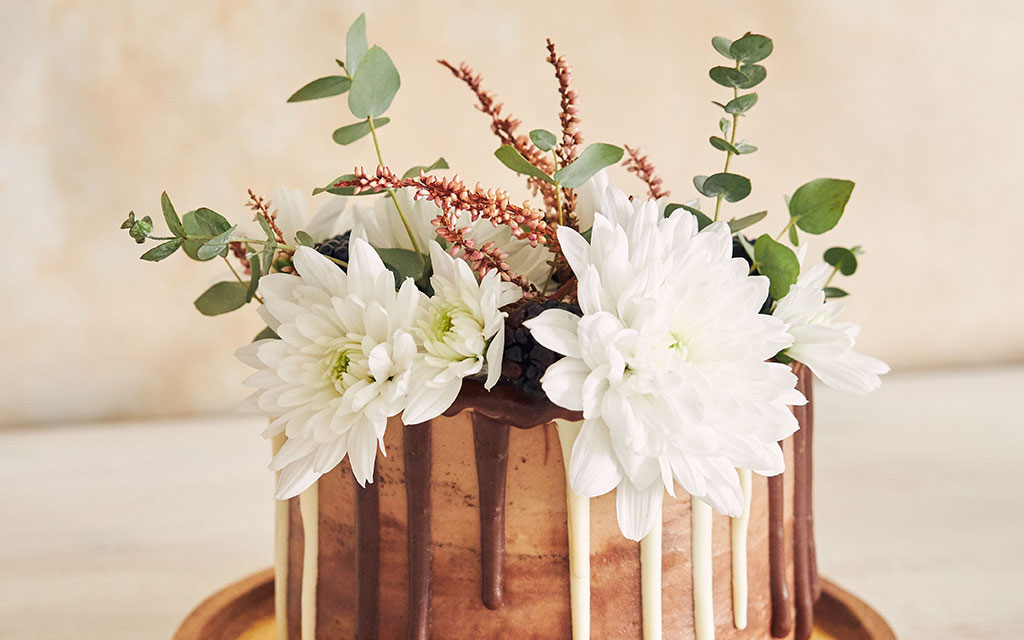
Textural techniques like carefully piped buttercream ruffles, delicate latticework on your wedding cake, or bas-relief patterns add visual interest without cluttering the design. Small touches of edible gold leaf catch light beautifully, while hand-painted fondant panels bring artistic, gallery-worthy quality. Crisp chocolate shards, geometric wafer cookies, or thin sheets of tempered isomalt provide striking textural contrast against smooth buttercream.
For cohesive displays, pair these techniques with clean-lined acrylic, marble, or brass cake stands that complement rather than compete with the cake design. Simple floral arrangements in monochromatic schemes or complete absence of florals often works best for minimalist presentations.
Styling and logistics: How to ensure your wedding cake complements the wedding vision
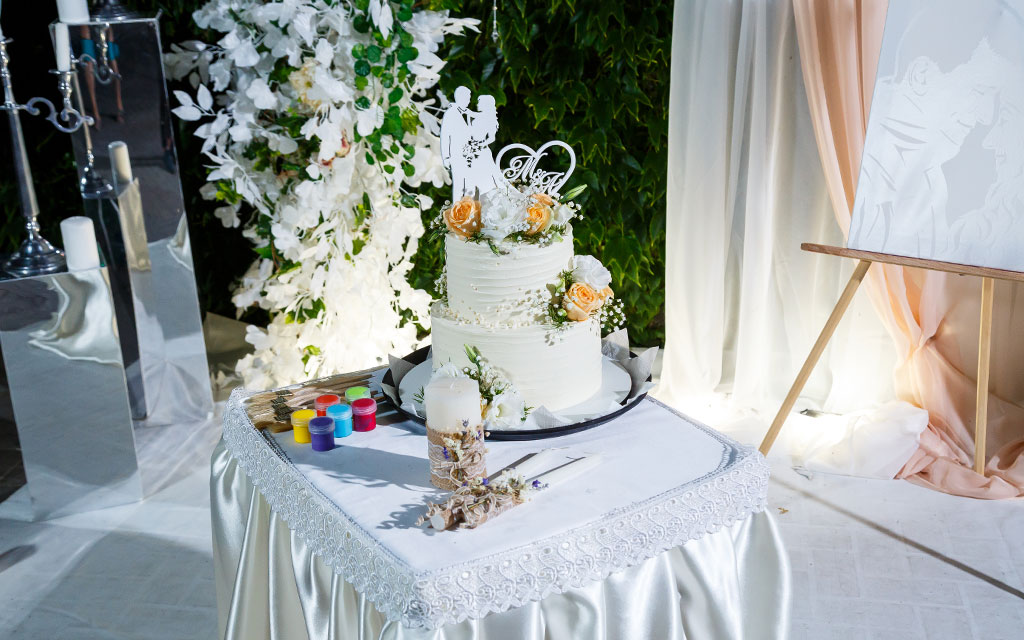
Successful wedding cake planning begins months before the event, with couples gathering inspiration photos, color swatches, fabric samples, and detailed venue information to share with their cake artist. This preparation ensures the cake artist can accurately match your palette, understand appropriate scale for your space, and create a design that functions as an integrated part of the day.
Coordinating with your cake artist and floral designer
Bringing your cake artist and floral designer into conversation early prevents miscommunications and ensures both vendors understand how their work relates to broader wedding design. Share comprehensive mood boards, invitation samples, and venue photos so they can identify opportunities for visual harmony. When your cake artist sees actual flower varieties and foliage your florist plans to use, like the style of wedding flowers using throughout your wedding floral arrangements, they can match sugar flowers accurately or coordinate fresh flower placement effectively.
Ask specific questions about delivery logistics and setup timing. A cake artist who has reviewed venue photos and floor plans can recommend ideal cake table location, suggest appropriate stand height and style, and position the cake to enhance both guest experience and photography opportunities.
Sizing, tiers, and service planning
Confirm your final guest count at least four weeks before the wedding, giving your baker accurate numbers for calculating portions. Decide whether a single display cake, combination of display cake with supplemental sheet cakes, or multiple smaller cakes best fits your budget and service style. Traditional portions yield roughly 20-25 servings per 8-inch round tier, though sizes vary based on how generously staff cuts slices.
For intimate weddings, a two-tier wedding cake often provides sufficient servings while maintaining elegant proportions. The wedding day was a two-tier celebration for many couples who prefer simpler designs. Larger celebrations with 150-plus guests typically require three or more tiers plus sheet cakes to adequately serve everyone. Some couples even consider wedding cakes with one tier for very small gatherings, though you’ll want to make sure there’s enough cake to feed everyone at your celebration.
Plan when to cut the cake until late in the evening or earlier after dinner service with your venue coordinator and photographer. Coordinate with your cake artist about how long the cake can safely sit at room temperature and whether special storage arrangements need to happen during earlier reception portions.
| Tier Size | Approx. Servings | Recommended For | Notes |
| 6-inch round | 12-15 servings | Top tier, small accent | Often saved for anniversary |
| 8-inch round | 20-25 servings | Small weddings | Can stand alone for intimate events |
| 10-inch round | 35-40 servings | Medium tier | Good middle layer for 3-tier cakes |
| 12-inch round | 55-60 servings | Base tier | Provides stability for tall cakes |
| Half sheet | 50-60 servings | Kitchen supplement | Practical for 100+ guest weddings |
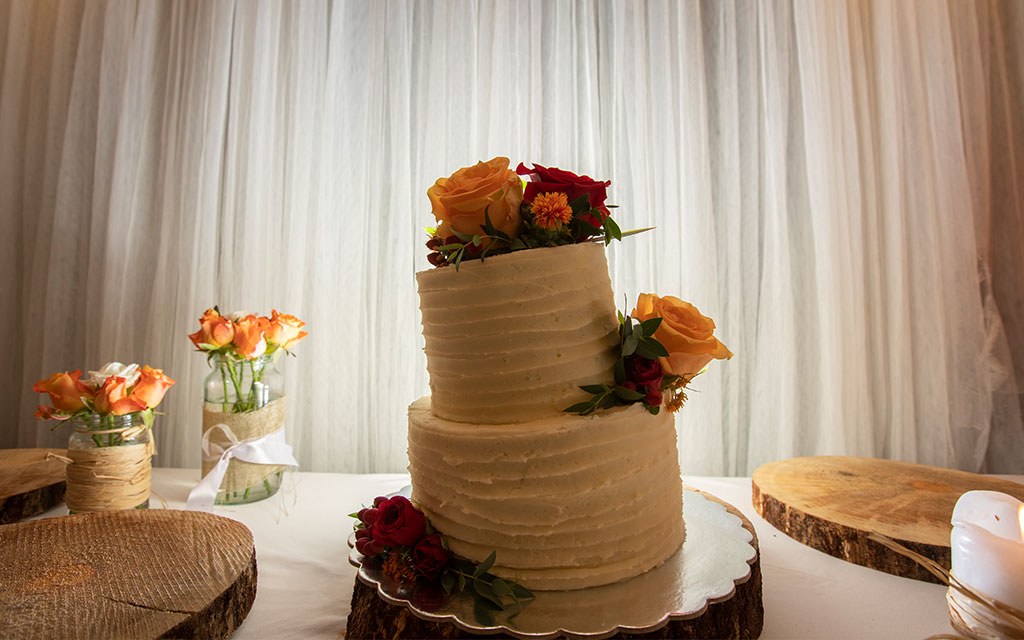
Display, stands, and finishing touches
Select a cake stand that complements your venue’s existing aesthetic. Rustic wooden stands suit barn venues and outdoor gardens, while transparent acrylic stands or polished brass pedestals work beautifully in modern galleries and hotel ballrooms. The right stand elevates the cake to appropriate viewing height and makes the cake-cutting ceremony easier.
Confirm all final decorative touches with your cake artist approximately one week before the wedding date, discussing any cake toppers, fresh floral accents, edible pearl applications, or metallic painted details. Request clear photos of similar cakes the bakery has created as references for realistic expectations, especially if you want your cake baker to recreate specific techniques or if the cake baker painted the fondant with custom designs you admire.
For outdoor spring weddings, discuss shade requirements, refrigeration access, and optimal setup timing to keep the cake structurally sound. Buttercream-frosted cakes withstand temperatures up to about 75 degrees Fahrenheit, but anything warmer risks melting or drooping decorations. Planning adequate shade or tent placement becomes essential to ensure your spring wedding cake remains beautiful throughout the event.
Real-wedding inspiration and planning tips for dreamy spring wedding cake ideas
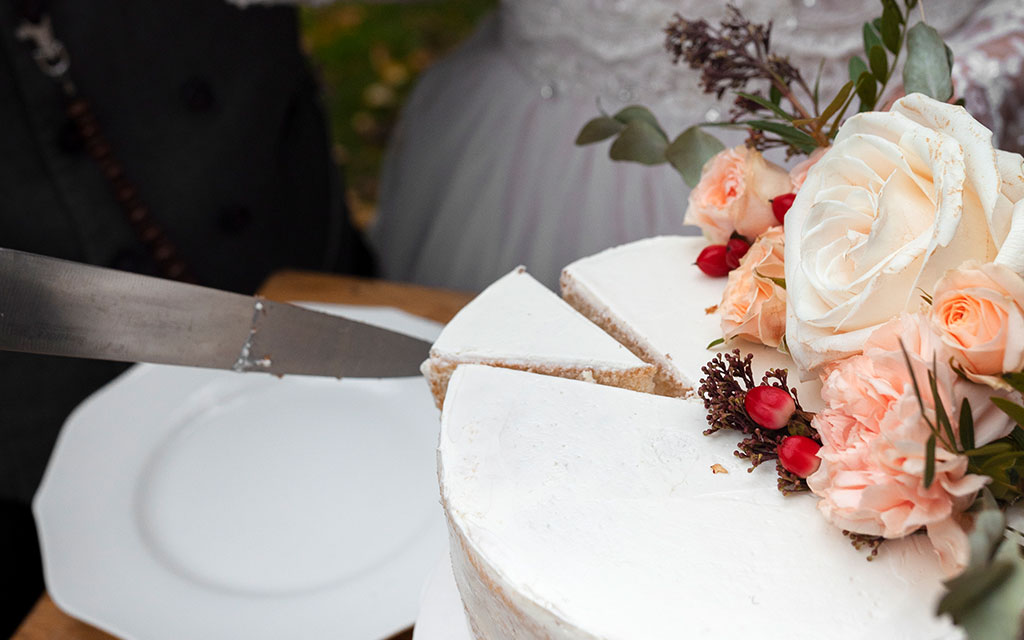
Real weddings provide the most valuable wedding cake inspiration, showing how wedding cakes for spring actually look in completed events rather than styled photoshoots.
When reviewing real wedding galleries, pay attention to how couples matched their cake’s floral elements and color palette to broader wedding design, creating visual connections between the cake, bridal bouquet, ceremony backdrop, and reception centerpieces. Notice when the cake complemented the wedding color palette with one hue throughout your wedding color scheme, or when colorful wedding cakes made bold statements that became conversation pieces. A thoughtful mix-and-match approach combining fresh flowers with painted florals or handcrafted sugar blooms creates interesting visual depth.
For intimate gatherings, a beautifully styled two-tier cake or dramatic domed design can serve as the reception’s primary focal point. Some couples we’ve gathered spring wedding cake tips from chose designs where their wedding cake made a bold statement as the main décor element. The money saved on additional tiers can be redirected toward intricate decoration or premium spring wedding cake flavors that guests genuinely enjoy, because after all, your wedding cake is as delicious as it is beautiful.
Several practical checks deserve attention: thoroughly review venue temperature limitations, ask your baker about their ability to reproduce techniques like hand-painting or complex sugar florals, and request clear itemized cost breakdowns. These steps transform vague wedding cake inspiration into concrete deliverable plans. Understanding what makes a spring wedding cake different from summer or fall options—or even how a spring wedding cake different from a summer celebration cake or even winter wedding cake designs—helps you make informed decisions.
Draw extensively on real-wedding examples to refine your ideas for spring while maintaining realistic expectations. Early communication with both your cake artist and florist ensures your dessert looks like the gorgeous spring wedding cakes we’re swooning over in editorial spreads while serving smoothly and aligning with your celebration logistics. Consider how you’ll decorate your spring wedding cake and whether you want to bring nods to spring through seasonal flowers like peonies, tulips, or ranunculus, or prefer modern minimalist approaches.
Create your perfect spring wedding cake with Mia’s Brooklyn Bakery
Mia’s Brooklyn Bakery brings over a decade of experience creating stunning custom wedding cakes that capture the vibrant spirit of spring celebrations across New York City. Our skilled bakers and decorators work closely with each couple to design beautiful wedding cakes for spring that reflect your unique vision, whether you’re drawn to cascading sugar flowers, clean modern lines, or rustic charm. We understand that something as sweet as cake deserves expert craftsmanship and attention to detail.
We use premium ingredients and seasonal spring-inspired wedding cake flavors like lemon elderflower, strawberry champagne, and lavender honey, ensuring your cake tastes as extraordinary as it looks throughout your reception. Located in Brooklyn with convenient delivery throughout all five boroughs, we understand city wedding logistics and guarantee flawless delivery and setup at your venue, whether that’s a rooftop garden, historic brownstone, or elegant ballroom.
Our team has created wedding cakes for intimate garden parties, grand hotel receptions, and everything in between, always adapting designs to complement your specific setting. We know how to decorate your wedding cake to create a touch of spring that feels authentic to the season while matching your overall wedding style and vision. We offer complimentary consultations where you can taste our signature spring flavors, review portfolio examples, and work together to create a cake that becomes an unforgettable centerpiece. Contact Mia’s Brooklyn Bakery today to schedule your tasting and begin designing your dream spring wedding cake.