
Wedding Cake Flavors: How to Choose the Perfect Taste for Your Wedding
Choosing wedding cake flavors requires thinking beyond your own preferences to consider what guests will remember long after the reception ends, since flavor creates one of the most lasting sensory memories of your celebration. A well-executed bakery recipe ensures the cake maintains moisture, develops a tender crumb, and delivers consistent flavor across every slice, which becomes increasingly important as you scale up from a small tasting sample to a multi-tiered showpiece serving dozens or hundreds of people.
When making your selection, think about how the flavor profile reflects both your personality as a couple and the character of your event as a whole. Vanilla and chocolate remain wedding favorites because they provide a neutral foundation that complements virtually any filling and frosting combination, while still delivering satisfying flavor that appeals to the broadest possible audience. Lemon and strawberry work beautifully for spring and summer celebrations, bringing bright, fresh notes that mirror the season’s energy and pair naturally with lighter menu offerings. Carrot and spice cakes suit rustic or autumn weddings particularly well, offering warmth and depth that echoes the changing season and coordinates with harvest-inspired décor. Marble or funfetti options provide a playful middle ground between classic elegance and bold personality, often surprising guests who expect more traditional choices.
The smartest approach involves mixing crowd-pleasing flavors with more adventurous selections, creating a tier structure that offers something familiar alongside something memorable and unique. You might dedicate your largest tier to a universally loved flavor like vanilla or chocolate, ensuring that even the most conservative palates find something enjoyable, while reserving smaller tiers for more distinctive combinations like lavender-honey or salted caramel-chocolate that showcase your personal taste. Changing flavors by tier allows you to offer genuine variety without creating logistical headaches for your baker or confusion during service, since guests naturally receive whichever tier they’re served from without needing to make selections.
Logistics play a surprisingly significant role in choosing a wedding cake that performs well on your actual wedding day. Begin scheduling tastings six to nine months before your celebration, giving you enough lead time to make decisions, place orders, and adjust if needed based on seasonal availability or venue requirements. Keep the tasting party small, ideally limiting it to just you and your partner or at most one trusted advisor, since large groups create decision paralysis and make it harder to focus on the actual flavors rather than managing everyone’s opinions. During tastings, ask specific questions about delivery procedures, setup timing, and storage requirements to ensure your cake arrives fresh and stays stable throughout your reception.
Budget considerations and serving counts require attention early in the planning process, since prices vary dramatically based on flavor complexity, tier count, decoration intricacy, and total guest numbers. Discuss tier sizes and realistic serving estimates with your baker to ensure you’re ordering the right amount without over-purchasing or running short, and remember that display tiers don’t necessarily need to contain cake at all if you’re working within tight budget constraints. Venue conditions deserve careful consideration too, particularly if you’re planning an outdoor ceremony or reception in warm weather, since butter-based buttercream and certain other frostings begin to lose stability in heat. Choose stabilized frostings like Swiss meringue or consider alternatives like ganache if your venue presents temperature challenges.
Classic and Popular Wedding Cake Flavors to Consider
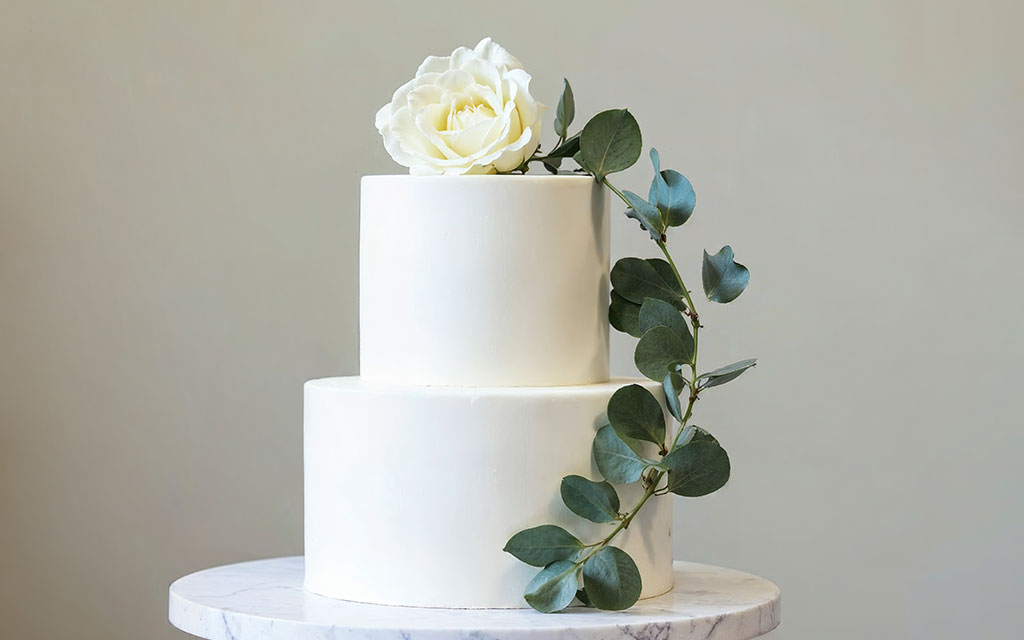
Couples consistently gravitate toward familiar flavors that carry proven appeal across diverse age groups and taste preferences, since these selections minimize risk while still delivering satisfaction. Vanilla cake and traditional white cake variants dominate wedding orders because they work seamlessly with virtually any filling, frosting, or decoration style, giving you maximum flexibility in customization. Bakers frequently showcase these cakes in tiered configurations and demonstrate their transport capabilities, helping couples visualize how the finished product will look and perform for large guest counts.
Vanilla and Traditional White Cake
Vanilla cake stands as the most requested flavor for weddings, offering a clean, subtle sweetness that serves as an ideal canvas for more assertive fillings and frostings. A traditional white cake version, such as Amycakes’ Moist Vanilla Almond Cake, delivers tender texture and delicate almond undertones that elevate the base flavor without overwhelming it. This style pairs exceptionally well with fruit curds, classic buttercream, or tangy cream cheese frosting, allowing the secondary flavors to shine while the cake provides structural support and balanced sweetness.
Chocolate and Variations
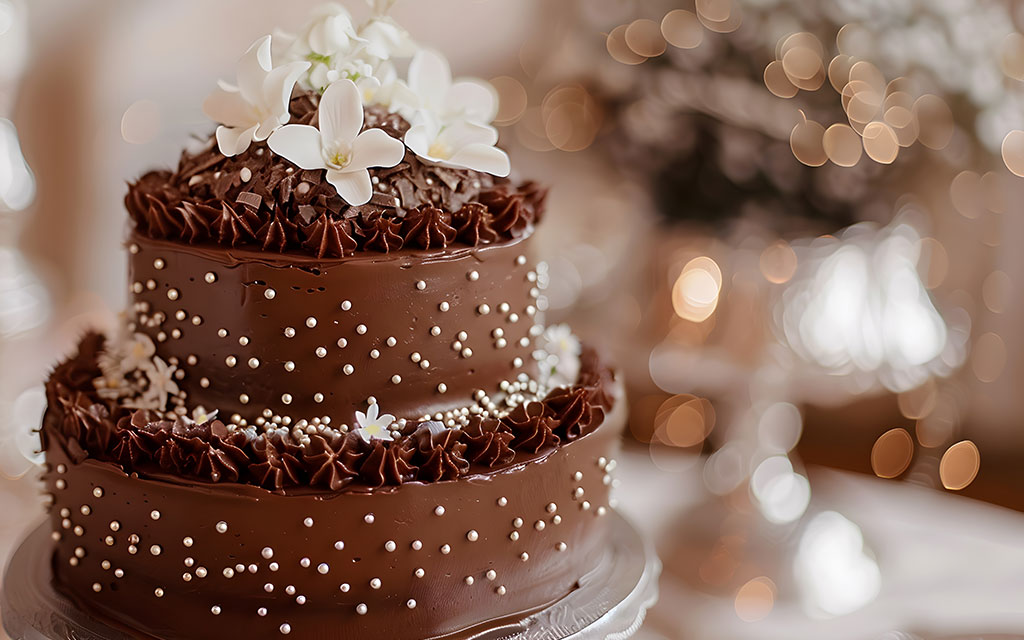
Chocolate cake ranks second only to vanilla in popularity, offering depth and richness that satisfies chocolate lovers while still maintaining broad appeal. Options range from tender chocolate sponge to intensely rich chocolate fudge or elegantly smooth ganache-coated layers, each providing a different level of chocolate intensity and moisture. Adding espresso or brewed coffee to the batter amplifies the chocolate notes significantly, creating more complex flavor without making the cake taste like coffee, while also helping the cake stand up to very sweet frostings without the overall profile becoming cloying.
This enhancement technique proves particularly valuable when working with dense frostings or very sweet fillings, since the slight bitterness from the coffee balances the sugar content and creates a more sophisticated final product.
Red Velvet and Marble Options
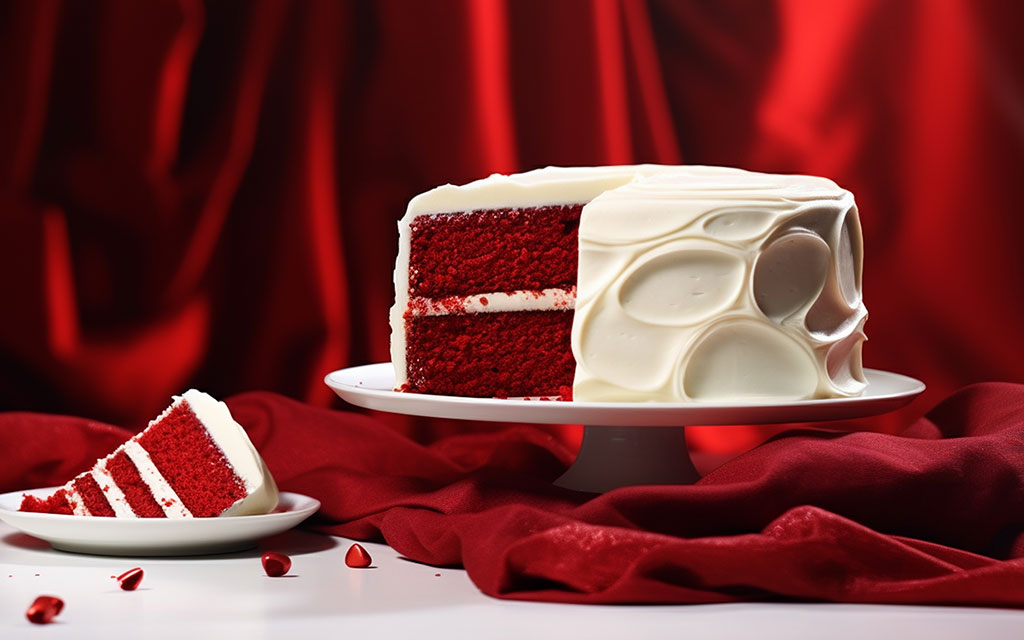
Red velvet cake brings striking visual impact alongside its distinctive mild cocoa flavor and luxuriously tender crumb, making it a favorite for couples who want something that photographs beautifully while offering unique taste. The traditional pairing with cream cheese frosting remains popular, though Swiss meringue buttercream provides a lighter alternative that some couples prefer, particularly when working with multiple tiers where weight becomes a consideration. Marble cake combines vanilla and chocolate batters in each slice, creating visual interest and flavor variety within a single tier rather than separating the flavors completely.
Carrot, Spice, and Nutty Cakes
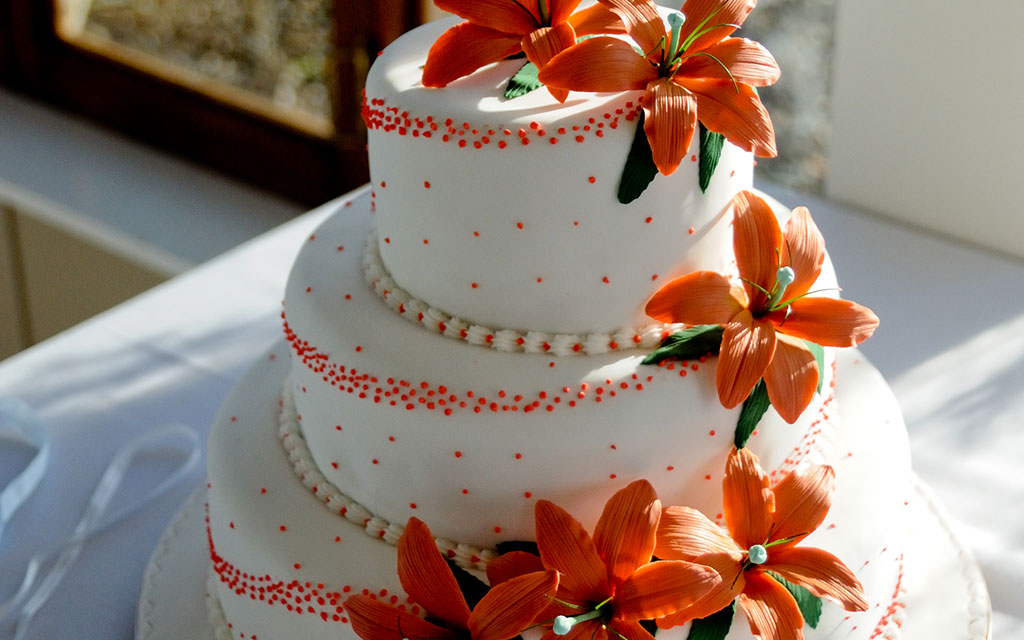
Carrot cake delivers warm spice notes and moist texture that make it particularly suitable for rustic celebrations or fall weddings where you want the dessert to echo the season’s character. The traditional cream cheese frosting pairing remains the gold standard, though you can lighten the profile slightly with additions like crushed pineapple or adjust the spice levels to suit your preferences. Spice cake builds on similar flavor foundations with cinnamon, nutmeg, and clove creating a cozy, comforting profile that works beautifully for autumn and winter celebrations.
Nutty cakes incorporating almond, hazelnut, or pistachio bring sophistication and unexpected depth, particularly when paired with fruit fillings that provide brightness or chocolate layers that add richness. These options appeal to couples seeking something distinctive without venturing into truly unusual territory.
Seasonal and Wedding-Location Flavor Ideas for Spring, Summer, Fall, and Winter
Choosing seasonal wedding cake flavors creates natural connections between your dessert and the time of year, while considering your wedding location ensures the cake performs well in the actual conditions it will face. Professional bakers recommend selecting flavors that align with both climate and décor, since this holistic approach creates a more cohesive experience where every element reinforces your chosen theme. Many couples bring venue details, fabric swatches, and color palettes to tastings so bakers can suggest pairings and garnishes that work visually as well as flavorfully, ensuring the final product integrates seamlessly into the overall design.
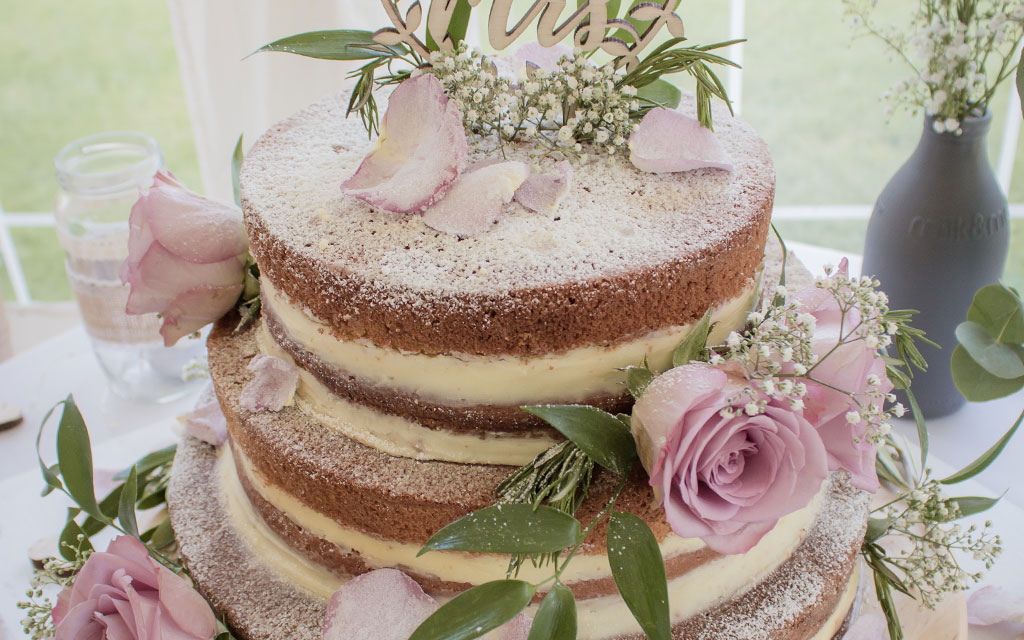
Spring and Summer Wedding Cake Flavors
Light, bright cakes suit spring and summer celebrations perfectly, echoing the energy of longer days and blooming gardens while providing refreshing flavors that don’t feel heavy after a full meal. A spring wedding cake with lemon and lavender captures the season’s renewal beautifully. Lemon cake with blueberry compote or subtle lavender infusion offers delicate sophistication that feels particularly appropriate for garden ceremonies and outdoor receptions. Strawberry and mixed berry fillings work beautifully for these seasons, bringing natural sweetness and vibrant color that photographs well and tastes fresh, though you’ll need to discuss stability with your baker since berry fillings can weep or bleed into cake layers if not properly prepared.
For a summer wedding cake specifically, frosting selection becomes critical since many traditional options soften or fail in heat. American buttercream, while delicious, can become greasy and lose structure as temperatures climb, making Swiss meringue buttercream or ganache better choices for outdoor summer receptions where the cake might sit at room temperature for extended periods. If you’re planning an outdoor ceremony or reception in genuine heat, work with your baker to select frostings that have been tested for stability and plan for refrigeration access if the venue allows it.
Fall and Winter Wedding Cake Flavors
Autumn celebrations call for warm spice profiles and rich layers that echo the season’s abundance and provide satisfying depth as temperatures cool. Fall wedding cakes with pumpkin spice, salted caramel, and apple or pear fillings capture the harvest season beautifully. Working particularly well with rustic ceremonies and harvest-inspired menus where you want every element to feel cohesive. Carrot cake with cinnamon-cream cheese frosting becomes especially appropriate for autumn weddings, offering familiar comfort alongside seasonal appropriateness.
A winter wedding cake benefits from deeper, richer flavors that suit cozy indoor spaces and formal evening receptions. Red velvet and chocolate fudge provide warmth and indulgence that feel right for the season, while snickerdoodle cake or warm spice tiers with spiced glazes offer something distinctive without being overly unconventional. Winter garnishes like candied orange peel, toasted nuts, or crystallized ginger add visual interest while reinforcing the seasonal theme through taste and aroma.
Venue-Specific Flavor Considerations
Beach weddings present unique opportunities for tropical flavors that might feel out of place in other settings but work perfectly against an ocean backdrop. Coconut, passionfruit, and lime bring bright, breezy notes that suit the casual elegance of beach celebrations, while their bold flavors stand up to outdoor conditions without disappearing. Destination weddings generally allow you to incorporate flavors that reflect the locale, creating memorable connections between place and taste through selections like matcha or yuzu for Asian-inspired celebrations, or key lime for Caribbean settings.
Mountain and rustic venues pair naturally with nutty cakes, warm spices, and substantial flavors like carrot cake that echo the outdoor setting and substantial character of these locations. Urban lofts and upscale hotels call for more sophisticated flavor profiles like champagne-infused cake or pistachio, creating elegance that matches the venue’s refined atmosphere. Regardless of venue type, discuss delivery and setup procedures thoroughly with your baker to ensure they understand the space limitations, temperature conditions, and timing requirements that will protect your fillings and frostings throughout the event.
Unique and Trending Wedding Cake Flavors and Creative Combinations
Couples seeking a unique wedding cake can explore distinctive flavors that make their dessert truly memorable without abandoning crowd-pleasing elements entirely, since the goal is creating delight rather than confusion. Dedicating a single tier to an unexpected flavor combination allows you to showcase your personality while keeping the majority of the cake accessible to more conservative palates. Bakeries like Amycakes often suggest using decorations that hint at the flavor inside, helping guests understand what to expect before that first bite and preventing surprises that might not land well.
Flavors with a Twist
Contemporary flavor twists transform familiar cakes into something memorable without venturing so far into unusual territory that you risk alienating guests. Matcha and olive oil cakes both add earthy depth that pairs beautifully with citrus curds or white chocolate, creating sophisticated profiles that appeal to adventurous eaters while remaining accessible. Lavender and champagne cakes bring floral and celebratory notes that work especially well for spring weddings and rooftop receptions where you want something that feels special and intentional.
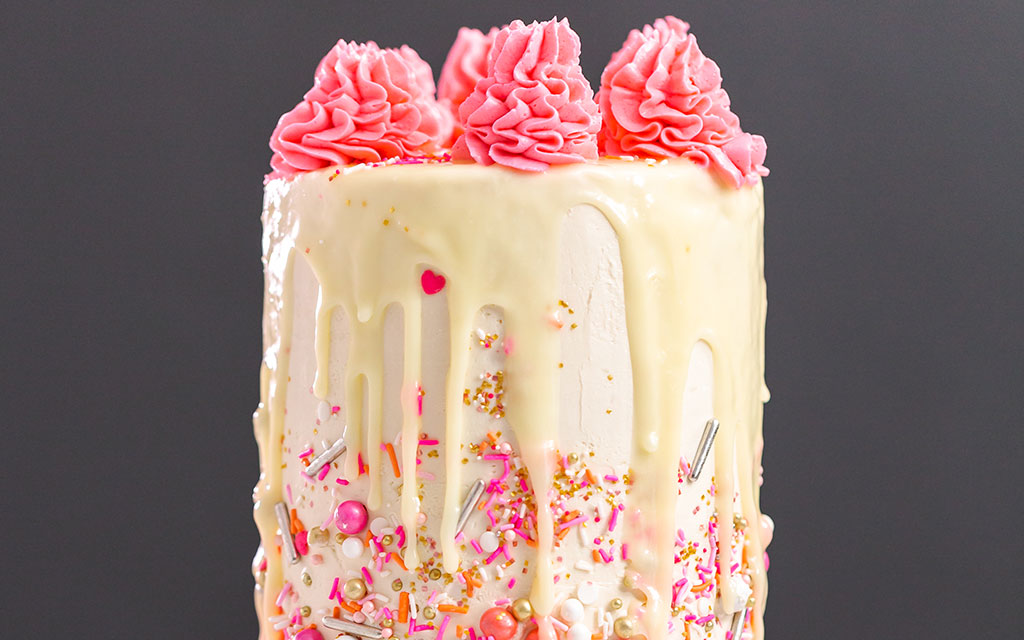
Funfetti cake might seem playful, but it delivers serious nostalgia that resonates across generations, surprising both kids and adults with its familiar sprinkle-studded interior. This option works particularly well for couples who want to inject personality and fun into their celebration without taking themselves too seriously.
Decadent and Unusual Combos
Decadent combinations add drama and create conversation-worthy moments that guests remember long after the event. Chocolate paired with espresso or draped in dark ganache creates an intensely rich centerpiece that satisfies serious chocolate lovers while providing sophisticated depth. White chocolate with raspberry or passionfruit adds bright fruit notes that cut through the sweetness and create balanced complexity in each bite.
Savory-sweet pairings and international flavors allow couples to honor their heritage or destination through thoughtful selections that tell their story. Nutty options like hazelnut immediately evoke Nutella for many guests, creating instant recognition and warm associations. Lemon with blueberry or lavender provides fresh contrast that cleanses the palate beautifully, making it ideal for positioning between heavier dinner courses and the cake service.
How to Test a Unique Flavor Before Committing
Planning tastings six to nine months before your wedding gives you adequate time to experiment with unusual combinations and make adjustments if your first choices don’t work as expected. Keep your decision-making group genuinely small, ideally just the two of you or at most one trusted advisor, since more people create too many competing opinions and make it harder to trust your own instincts about what you actually enjoy.
Ask your baker for mini trial samples or dedicated test tiers that let you experience unusual flavors in realistic portions rather than tiny bites that don’t fully convey how the combination works across a full slice. Request specific information about how each flavor combination holds up over time and under different frosting styles, since some pairings remain stable for hours while others begin to deteriorate or have flavors that muddle together after sitting. Discuss dietary needs and possible allergen-friendly alternatives so all guests can participate in the celebration, and ask whether your baker can create modified versions of your chosen flavors that accommodate specific restrictions without feeling like obvious substitutions.
Fillings, Frostings, and Pairing Ideas to Elevate Taste and Texture
Selecting the right filling and frosting transforms good cake into exceptional cake by adding layers of flavor complexity and textural contrast that make each bite more interesting than a single-note cake could achieve. Light white chocolate cake pairs beautifully with bright fruit fillings that provide acidity and prevent the overall profile from becoming too sweet, while rich chocolate cakes benefit from salted caramel or ganache that adds depth without overwhelming the chocolate base. Professional bakers often suggest testing combinations that include berries or lighter curds for contrast, since this approach creates dynamic flavor progression as you move through each layer rather than uniform sweetness throughout.
Popular Fillings and What They Pair With
Raspberry filling adds bright, tart notes that balance sweet cake layers beautifully, cutting through buttercream richness and preventing flavor fatigue across a substantial slice. Lemon curd works exceptionally well with vanilla or almond cake bases, bringing sunshine and acidity that refreshes the palate while adding moisture that keeps the cake tender. Vanilla or white chocolate mousse maintains lightness that prevents the cake from feeling heavy, making it particularly valuable for warm-weather weddings or multi-course dinner receptions where you want dessert to feel like a treat rather than an obligation.
Nutty fillings like praline or salted caramel bring warmth and complexity that enhance chocolate and spice cakes significantly, creating sophisticated depth that elevates these already rich bases. These options work particularly well for fall and winter celebrations where you want substantial, satisfying flavors that suit the season’s character.
Frosting Types and Heat Resistance
American buttercream remains the classic choice for its ease of transport, reliable performance, and familiar flavor that most guests recognize and enjoy. Swiss meringue buttercream offers silky texture and superior heat resistance compared to American buttercream, making it the better choice for outdoor weddings or warm venues where temperature stability becomes critical. Ganache provides glossy, rich finish that photographs beautifully and tastes luxurious, though it requires cool storage and can soften quickly in warm conditions, limiting its practicality for certain venues.
Fondant offers polished appearance and strong heat resistance that makes it popular for elaborate designs, though it can mask flavor changes underneath and some guests simply remove it rather than eating it. For outdoor weddings in genuine heat, choose frostings your baker has tested specifically for stability and plan refrigeration access if your venue permits it, since even stabilized frostings have limits to how much heat they can tolerate before breaking down.
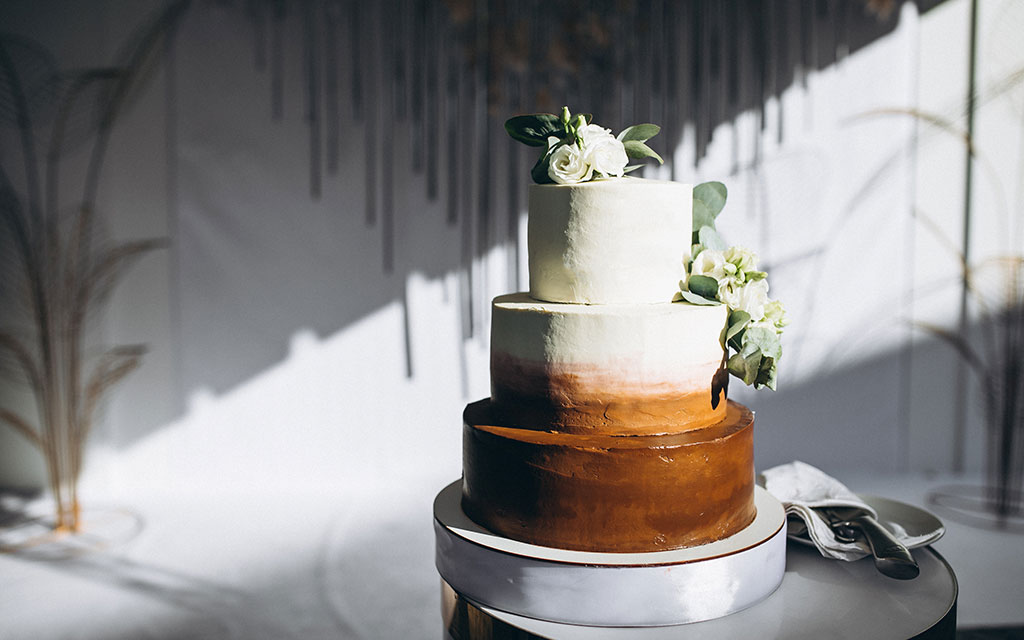
Layering Flavors Across Tiers
Layering different flavors across multiple tiers lets you serve genuine variety while maintaining visual cohesion and keeping the overall design elegant rather than chaotic. One effective approach involves alternating complementary flavors across tiers, perhaps placing chocolate on bottom and top tiers with vanilla in between, creating intentional contrast that gives guests different experiences depending on which tier they receive. Another strategy keeps the same cake base throughout but varies the filling between layers, providing subtle variety that maintains consistency while preventing monotony.
Discuss tier sizing and realistic serving counts thoroughly with your baker to understand which tiers will actually serve guests and which function primarily as display pieces, since this affects how you allocate your more expensive or unusual flavors. Many couples reserve their favorite or most distinctive combination for the top tier that they’ll freeze and enjoy on their first anniversary, making that tier a personal indulgence rather than a guest-focused selection.
| Component | Best Pairings | Heat Resistance | Ideal Use Case |
| Raspberry filling | Vanilla sponge, white chocolate, cream cheese frosting | Moderate; needs refrigeration in heat | Bright contrast for rich cakes, summer weddings |
| Lemon curd | Light sponge, almond cake, berry-accented layers | Moderate; stable when properly set | Fresh, zesty choice for spring and outdoor events |
| Salted caramel | Chocolate, white chocolate, nutty sponges | Low to moderate; can weep in warmth | Decadent option for fall and winter receptions |
| Ganache | Chocolate cakes, white chocolate base, fruit accents | Low; requires cool storage | Elegant finish and dramatic drip decorations |
| American buttercream | All-purpose; pairs with fruit fillings and curds | Variable; softens in significant heat | Versatile, familiar wedding cake frosting |
| Swiss meringue | Delicate cakes, white chocolate, light fillings | High relative stability | Silky finish with better warm-weather performance |
| Fondant | Any cake base; typically covers buttercream | High; protects from humidity and heat | Clean, sculpted look for tiered designs |
How to Prepare for Cake Tastings and Working with Your Baker
Couples should book cake tasting appointments six to nine months before the wedding date, allowing adequate time for design discussions, potential recipe adjustments, and follow-up tastings if you want to refine your selections. Schedule tastings mid-week and earlier in the day when possible, since you’ll have better focus and palate clarity than you would late in the day after eating multiple meals. Set aside 60 to 90 minutes for a thorough tasting that lets you properly evaluate each option without rushing through the experience, and bring only one or two decision-makers maximum to prevent the process from becoming unwieldy and opinion-saturated.
Before your appointment, research bakeries thoroughly by examining their portfolios, reading recent reviews, and noting whether they offer specialty options like gluten-free or vegan cakes if those accommodations matter to you. Prepare by documenting your budget, realistic serving size needs based on confirmed guest counts, inspiration photos that capture your aesthetic vision, fabric swatches that show your color palette, and detailed venue information including temperature conditions and access limitations. This preparation helps your baker make informed suggestions about options like display cakes paired with sheet cakes that can reduce costs significantly while maintaining visual impact.
| Tasting Question | Why It Matters | What to Listen For |
| Per-slice pricing | Determines actual cost for your guest count | Understand what’s included (delivery, setup, cake stand rental) |
| Total cake cost range | Sets realistic budget expectations | Ask about price differences between basic vs. elaborate designs |
| Delivery and setup details | Ensures cake arrives safely and on time | Confirm who assembles tiers and timing relative to reception start |
| Storage requirements | Affects venue coordination | Determine if refrigeration is required and for how long |
| Deposit and payment schedule | Impacts wedding budget planning | Clarify when payments are due and cancellation policies |
| Flavor customization limits | Defines creative possibilities | Understand if you can mix elements from different recipes |
During tastings, evaluate bakery-tested recipes carefully for moisture levels, crumb texture, and how well flavors remain distinct rather than muddling together. Ask for specific pairing suggestions that consider how fillings and frostings interact with each cake base, and request information about how the finished combinations will appear when sliced during service so you can visualize the guest experience. Confirm delivery logistics in detail, discussing exactly how the cake travels to your venue, what protections exist for transport, and whether your baker offers stabilized frostings specifically designed for challenging venue conditions.
After completing your tasting, review timelines carefully and understand any limitations on flavor customizations or design changes before placing your final order. Clear communication about budget, realistic serving sizes, and design expectations prevents surprises and ensures a smooth experience on your wedding day, when you should be celebrating rather than managing cake crises. Good bakers will guide you through considerations like proper wedding cake cutting techniques that ensure efficient service and attractive portions, making the entire dessert course feel seamless rather than awkward.
Wedding Cake Ideas: Styling Your Flavor Choices
Once you’ve selected your flavors, presenting them beautifully becomes the next consideration, since modern wedding cake ideas range from elaborately tiered showpieces to minimalist designs that let the cake itself shine. The flavor choices you make often influence styling decisions naturally, since certain flavor combinations suggest specific aesthetic directions. Rustic naked wedding cakes, for example, work beautifully with spice cakes and carrot cakes where exposed layers showcase texture and natural color, while more formal flavor combinations like champagne or white chocolate might call for smooth fondant finishes and sophisticated decorations.
A naked wedding cake style, where frosting appears between layers but leaves the sides exposed, has gained significant popularity for couples seeking organic, unfussy aesthetics that feel authentic and handmade. This approach works particularly well for outdoor and rustic venue settings where polished perfection would feel incongruous, and it allows the cake’s actual texture and quality to remain visible rather than hidden under decorations. The naked style pairs especially well with seasonal fruit garnishes, fresh flowers, and natural elements that reinforce the organic aesthetic while adding color and visual interest without requiring elaborate piping or fondant work.
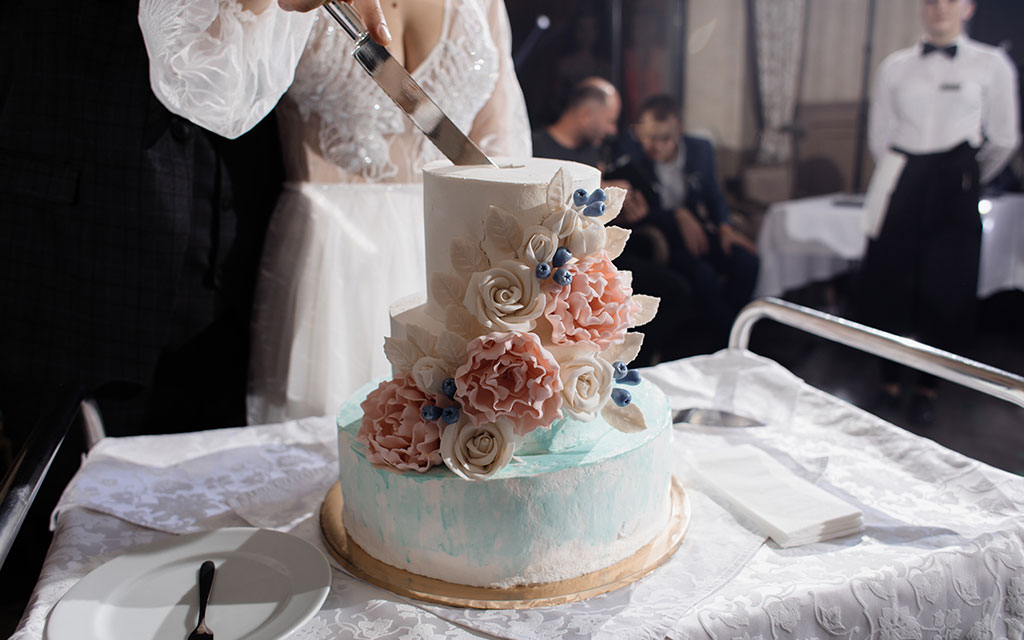
Creating Your Perfect Wedding Cake at Mia’s Brooklyn Bakery
When you’ve decided on your ideal flavors and styling approach, bringing that vision to life requires working with bakers who understand both the technical demands and the emotional significance of wedding cakes. Mia’s Brooklyn Bakery has built its reputation on creating wedding cakes that deliver exceptional taste alongside stunning presentation, serving couples across all five NYC boroughs from our three convenient locations in Brooklyn, Upper East Side, and Times Square.